A Hunan key enterprise for Africa trade · 80 of 118 staff hired locally in Africa
Call us: +86 731 8876 6661
中文 / English
According to Mining Weekly, citing Bloomberg, Zambia's copper output is expected to hit a record high this year, with surging copper prices and growing demand consolidating the country's position as a major global supplier.
A series of accidents and production disruptions at major mines have reduced supply and pushed copper prices up more than 20% this year, and Zambia is one of the few countries where output is growing. If Zambia can maintain growth while its competitors struggle, the cash-strapped country could reap a windfall.
Zambia plans to build on this momentum to expand production. Companies including Barrick Mining and First Quantum Minerals (FQM) are investing US$10 billion to increase output. Zambian President Hakainde Hichilema has made expanding copper production a central plank of his campaign, targeting 3 million tonnes by the early 2030s — more than triple current levels.
“We believe in this bold target,” Jito Kayumba, Special Assistant to President Hichilema, said in an interview in Lusaka, the Zambian capital. “We are determined to achieve it.”
The global electrification of industry and transport and the expansion of renewable energy production are driving copper demand higher. The metal's applications in power grids, batteries and construction determine its strategic importance in the energy transition.
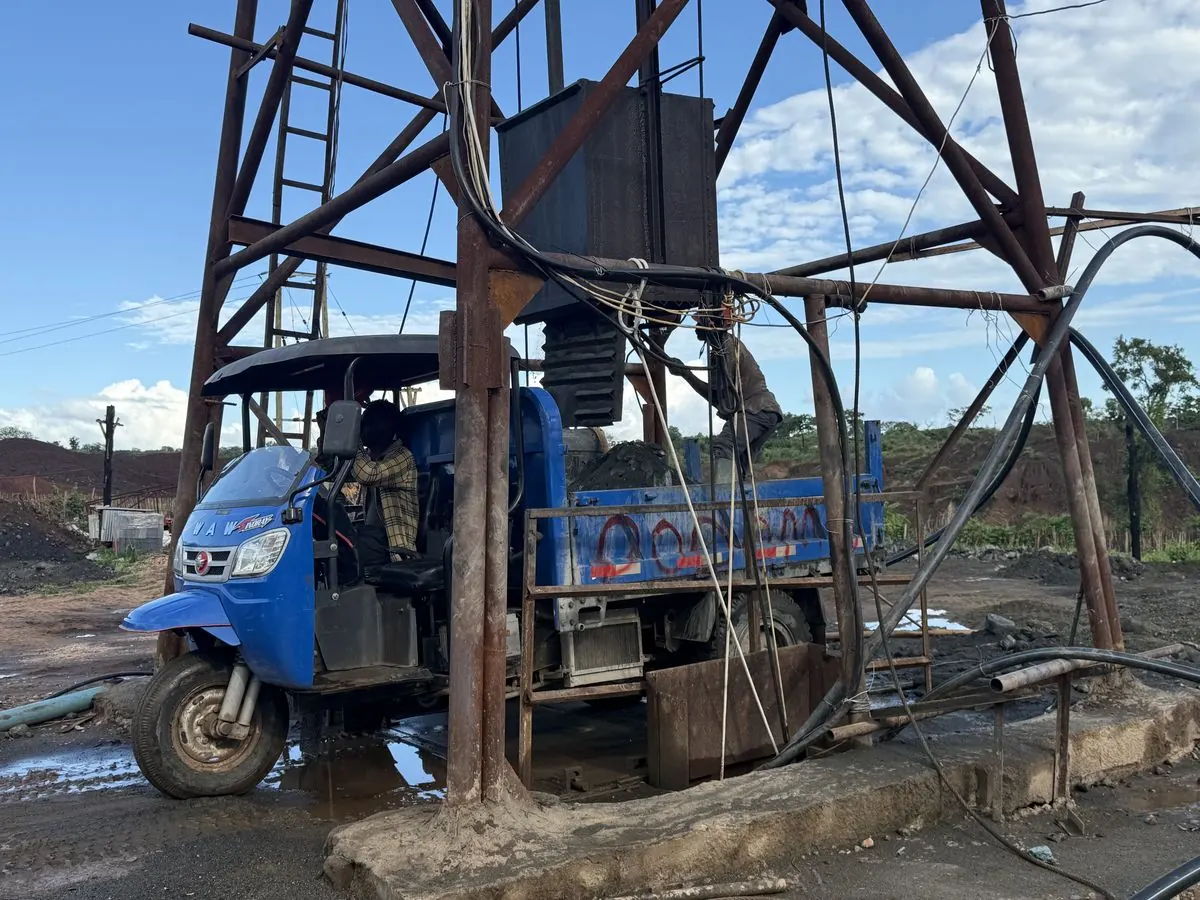
Copper prices are near record highs, and investment banks including Goldman Sachs expect further gains as the market moves into deficit later this decade. In an October 6 report, the bank raised its 2026 copper price forecast by 5%. That means Zambian producers that increase output can earn more profit from higher copper prices.
The price rise stems mainly from a series of supply disruptions. Earlier this year, a large copper mine in the DRC was flooded, and Chile suffered its deadliest mine collapse in decades. Last month, a mudslide at the world's second-largest copper mine forced operator Freeport-McMoRan to cut its output guidance for this year and next. This week, Teck Resources lowered its production forecast for its copper mine in Chile.
Zambia is Africa's second-largest copper producer after neighboring DRC. Bloomberg calculations show that mining companies have announced more than US$10 billion of investment, which could add about 1.2 million tonnes of annual capacity by 2030, compared with output of 821,000 tonnes last year.
The largest project currently under way is Barrick's US$2 billion expansion at Lumwana near the Zambia-DRC border, the core asset in the gold producer's push into copper. Barrick expects that at current market levels it will recoup the investment in less than two years once the project is completed in 2028. Management said in an August interview with Bloomberg that construction is slightly ahead of schedule. By blasting several pits into a single connected operation, the mine's output will double.
Relations between copper producers and the Zambian government have often been unstable. After years of state mismanagement, privatization in the 1990s revived the industry, but in the 2010s mining investment slowed amid frequent tax increases and revenue disputes.
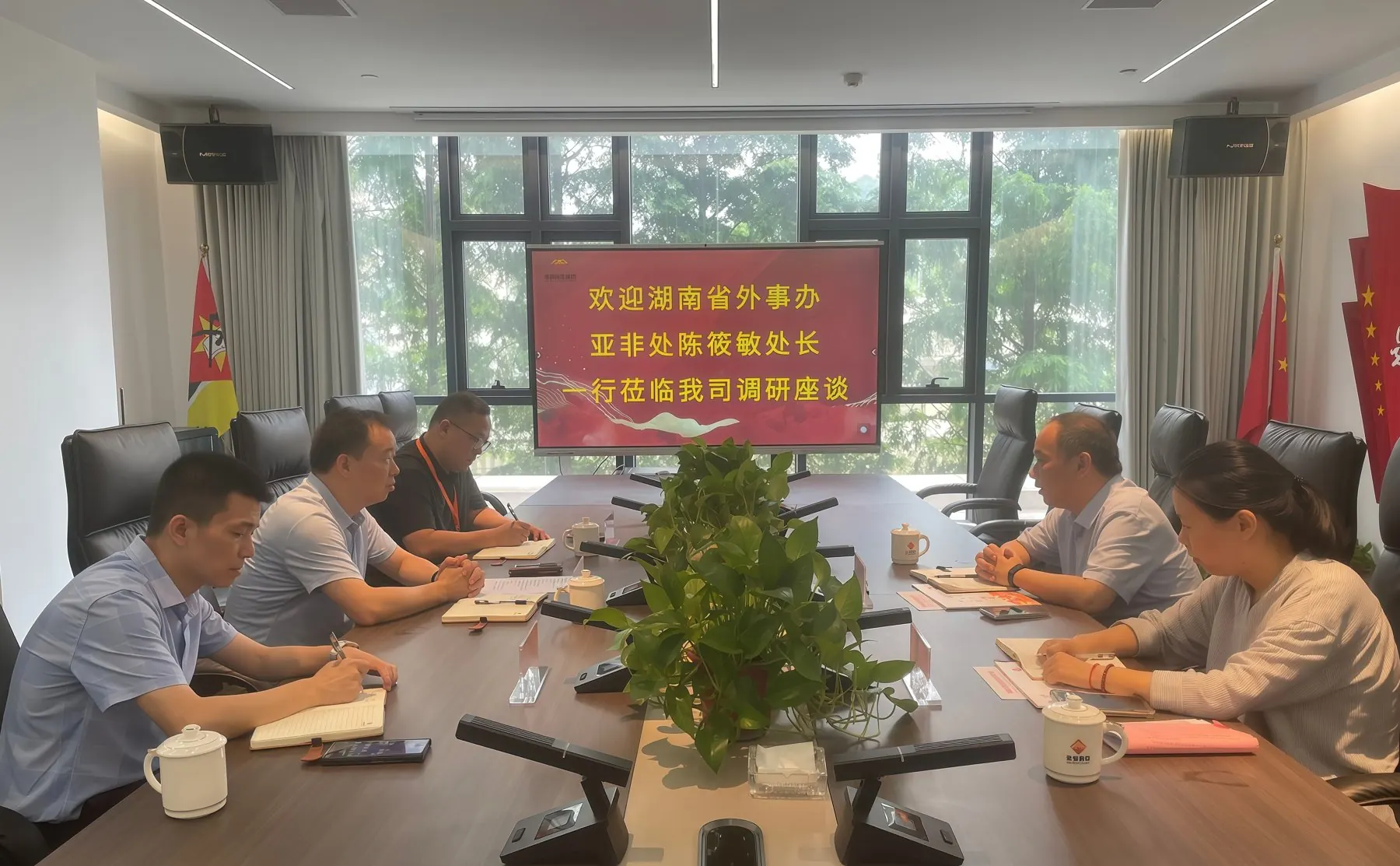
The Hichilema administration's support for business, combined with record-high copper prices, has led investors to put money back into Zambia's copper resources.
“I think the level of investment now is unmatched in Zambia's history,” FQM CEO Tristan Pascall said in an interview. The company is Zambia's largest copper producer and, like Glencore and Anglo American, was among the first to buy assets in the country after privatization.
Nevertheless, the investment committed so far is still insufficient to achieve the government's 3 million tonne target. Several projects face major obstacles, especially the underground expansion of a mine controlled by Indian billionaire Anil Agarwal. Achieving the target also requires more exploration, with international miners including Barrick, Anglo American, Ivanhoe and Rio Tinto exploring across the country.
Hichilema hopes Zambia's copper output will exceed 1 million tonnes this year for the first time in a century, which would provide a major boost to the economy and help it escape its debt difficulties. If the economy improves, the agreement reached with creditors will yield greater returns.
On October 7, Barclays analysts Michael Kafe and Andreas Kolbe wrote in a note to clients after a visit to Zambia that the country “appears to be on a remarkable reform path”. Major mining companies have already responded to the business-friendly environment promoted by the Hichilema government.
© 金昂控股集团 · 转载请注明来源 https://www.jinanggroup.com/en/news/bL45MmGb.html