A Hunan key enterprise for Africa trade · 80 of 118 staff hired locally in Africa
Call us: +86 731 8876 6661
中文 / English
Over the past decade, Tanzania's mining industry has completed a historic leap from an economic supporting player to a core engine. In 2024, mining contributed 10.1% of Tanzania's GDP, not only exceeding the government's 2026 target two years ahead of schedule, but also more than doubling the share of roughly 4% recorded in 2007. In 2025, mining's share of GDP stabilized at between 9.5% and 10%, and Tanzania's economic growth is forecast at 6.1% in the 2025/26 fiscal year.
Mining has become the main pillar of Tanzania's fiscal revenue and foreign exchange earnings. In 2025, government revenue from mining-related taxes and royalties exceeded TZS 1.4 trillion, an increase of more than 80% year on year. Gold exports reached US$4.7 billion in the year to November 2025, up sharply from US$3.3 billion the previous year, overtaking tourism as the largest source of foreign exchange for the first time in history. Total mineral exports rose from US$806 million in March 2025 to US$991 million in September, an increase of 23%. Employment in mining and related services has exceeded 6 million people.
At the investment level, Tanzania's total committed economic investment reached US$10.95 billion in 2025, with 915 registered projects, up from 901 in 2024 and 252 in 2021. Mineral projects involving graphite, lithium, nickel, rare earths and gold ranked among the top in attracting foreign investment. In the latest Fraser Institute survey of mining investment attractiveness, Tanzania has climbed to fourth place among African countries, after Botswana, Morocco and Zambia, demonstrating the continuous improvement of its mining investment environment.
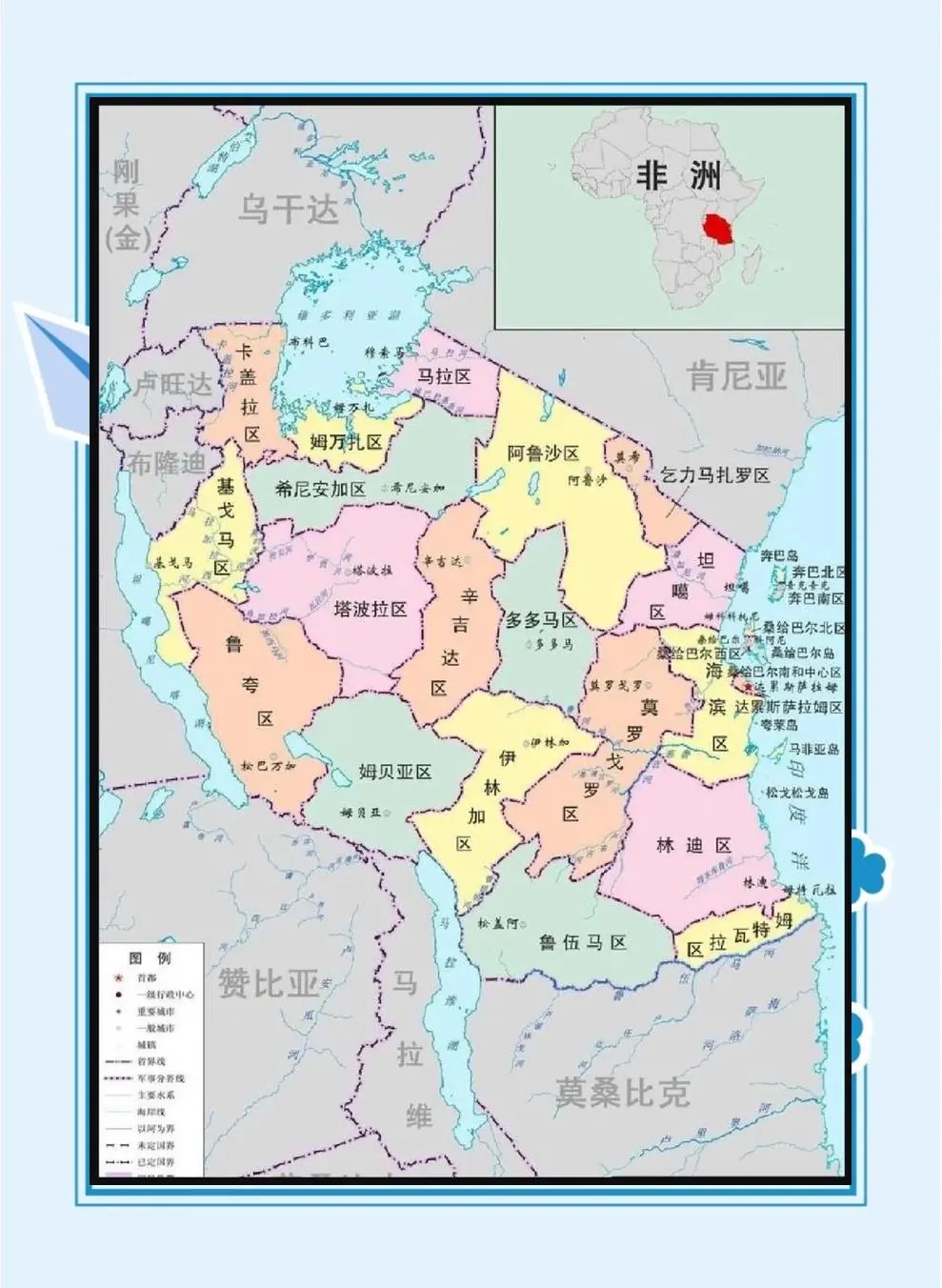
Tanzania's mineral resource endowment shows a structural pattern of “gold dominant, diversified progress”. Gold is the absolutely dominant mineral: the Lake Victoria greenstone belt concentrates more than 80% of national output, proven reserves reach 1,380 tonnes (JORC standard), and annual output exceeded 1.4 million ounces in 2025, keeping Tanzania firmly in third place among African gold producers. International giants such as Barrick Gold invested US$558 million in the first half of 2025 to expand mines and upgrade energy facilities, and Australia's Perseus Mining made a final investment decision of US$523 million to develop the Nyanzaga gold project, one of the most important gold mine developments in the country's history.
In emerging strategic minerals, Tanzania's potential is equally striking. In graphite, Tanzania holds 6% of global reserves; the Mahenge and Epanko graphite mines are each expected to produce more than 60,000 tonnes a year, and the Bunyu graphite project, with an investment of US$37 million, is expected to produce 40,000 tonnes of battery-grade graphite a year once operational. In nickel and cobalt, the Kabanga nickel mine has a grade of about 2%, making it one of the highest-grade developable nickel sulfide deposits in the world, with measured and indicated reserves of 52.2 million tonnes; the US International Development Finance Corporation has already engaged in political risk guarantee and project financing negotiations. In rare earths, the Ngualla project is expected to produce 37,000 tonnes of rare earth metals a year, and Shenghe Resources is advancing negotiations on a formal cooperation agreement. Tanzania also has 4.05 million tonnes of nickel ore at a grade of up to 1.93%, diamond reserves of 2.5 million tonnes (2.3% of the world total), and a variety of other minerals including tanzanite, copper, lithium, phosphate rock, iron ore and coal.
It is worth noting that only 30% of Tanzania's land area has completed systematic exploration, and the rate of new mining area discoveries is growing by 12% a year, leaving enormous undiscovered resource potential.
|Development prospects: climbing the value chain from resource extraction
The prospects of Tanzania's mining industry can be grasped from the following three dimensions.
First, the government is accelerating the strategic transition toward “mineral value addition”. The government has identified 11 minerals with the highest local value-addition potential — including 6 critical minerals (graphite, rare earths, nickel, iron, copper and cobalt) and 5 strategic minerals (gold, limestone, phosphate rock, potash and associated minerals) — and has proposed 14 specific value-addition opportunities, including gold jewellery and refined gold bars, spherical graphite, rare earth metals, nickel-cobalt sulfate, copper cathodes, finished steel products and fertilizers, with potential annual output value of US$7.2 billion to US$11.7 billion. The government divides these into four categories: short-term (1-3 years) “low-hanging fruit” that can be implemented quickly (cement, ceramics, glass, etc.), with annual output value of US$800 million to US$1 billion; medium-term (3-7 years) “no-regret opportunities” (gold jewellery and refined gold bars), with annual output value of US$4 billion to US$7.5 billion; strategic “big bets” (spherical graphite and rare earth metals), with annual output value of US$700 million to US$1.1 billion; and “opportunistic investments” (fertilizers, steel, copper-nickel-cobalt, etc.), with annual output value of US$1.6 billion to US$2 billion. Under policy impetus, manufacturing is expected to rise to 19% of GDP by 2030 and create 120,000 local jobs.
Second, the global energy transition provides a structural demand window for Tanzania's strategic minerals. China currently supplies more than 90% of the world's spherical graphite and more than 70% of its rare earth metals. With abundant reserves and lower energy costs, Tanzania is expected to become a reliable alternative in China's supply chain. Between 2025 and 2028, several new mines will come into production in Tanzania, further releasing capacity.
Third, the systemic improvement of infrastructure and the financing environment is empowering the mining industry. China Civil Engineering Construction Corporation is investing US$1.4 billion in a 30-year concession to upgrade the Tanzania-Zambia Railway, adding 32 locomotives and 762 freight wagons and greatly enhancing mineral transport capacity; Tanzania has signed a US$2.15 billion railway agreement with Burundi and China Railway Engineering Corporation to connect western mining areas with the port of Dar es Salaam; and Zijin Mining has obtained concessions for Kigoma port and the Malindi jetty, further strengthening export infrastructure. Grid connectivity is improving, with more mining companies connecting to the national grid, reducing operational uncertainty.
|Risks and challenges: tightening policies and intensifying competition
But mining investment in Tanzania is no smooth road. In recent years, Tanzania has continued to strengthen resource nationalization and localization regulation, and the policy and legal environment for mining investment has shown a marked tightening trend.
The 2017 amendment to the Mining Act established for the first time that the government may acquire a 16% non-dilutable equity stake in mining companies free of charge, after which the government's shareholding can be dynamically adjusted to 20% to 30% depending on the mineral type and investment scale. Special mining licences also require that 30% of a company's equity be held by local citizens. In September 2025, the government further amended the Mining (Local Content) Regulations, substantially raising the localization threshold: foreign companies must form joint ventures with local companies 100% owned by Tanzanian citizens (previously only 20% was required), local companies must hold a minimum 20% stake in the joint venture, and the government will publish a list of business activities reserved exclusively for local enterprises. At the same time, the Business Licensing (Prohibition of Non-Citizens' Business Activities) Order further restricts the scope of foreign investors' participation in small-scale services, trade and mining activities. The combined implementation of these regulations means that Chinese enterprises face higher institutional barriers and compliance costs when entering Tanzania's mining sector.
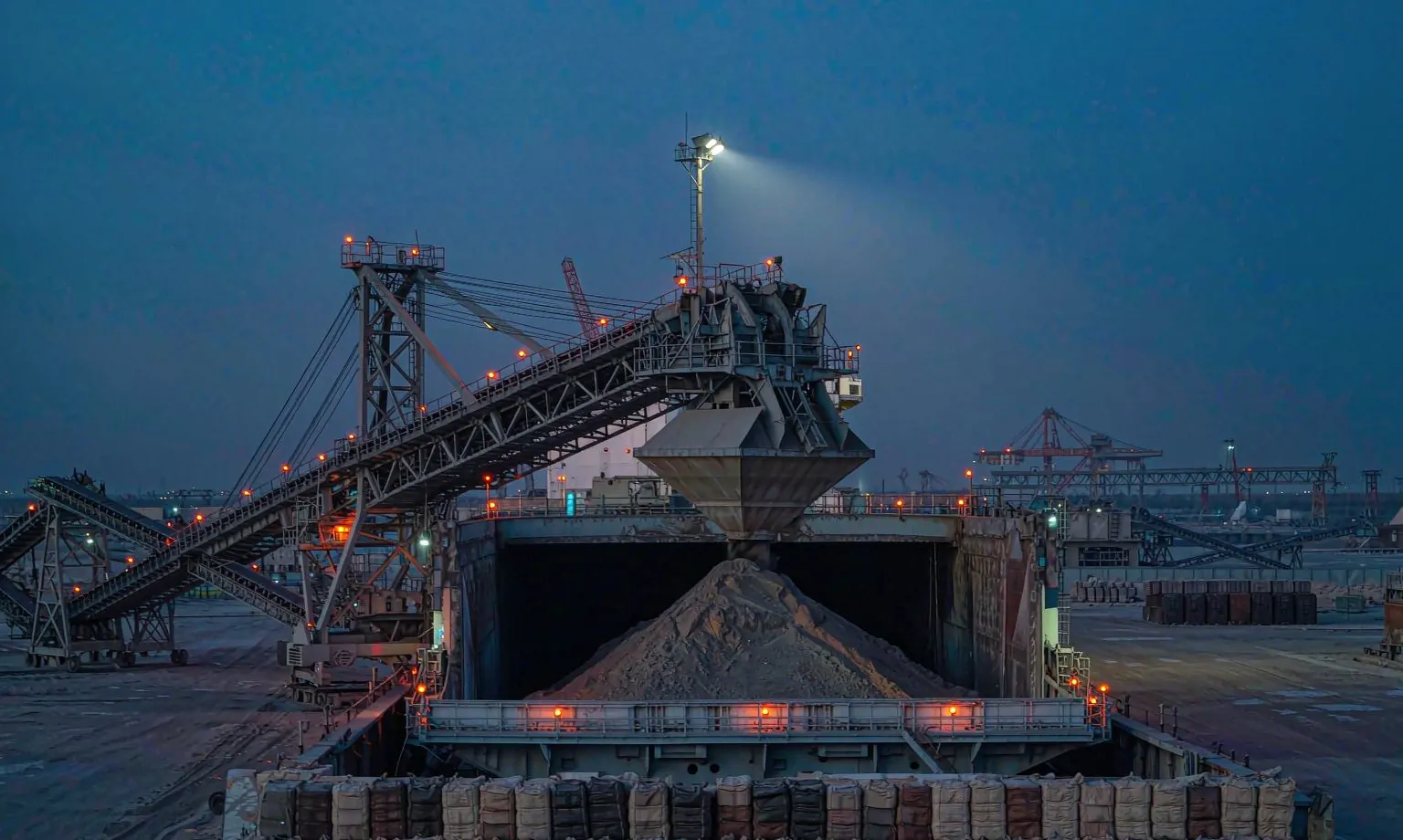
Infrastructure bottlenecks should not be overlooked either. Tanzania's regional power gap reaches 450 MW, industrial electricity prices are high and power outages are frequent, seriously affecting the efficiency of large-scale mining. In addition, the United States and Europe are accelerating their efforts to seize pricing power over resources through mechanisms such as the Africa Critical Minerals Initiative; the United States has pledged US$1.5 billion to lock in supply chains, and Tanzania is also actively bringing in Western capital such as the US DFC to participate in critical mineral projects, creating growing competitive pressure on Chinese enterprises.
Tanzania has become an emerging hotspot for Chinese mining companies going global. A number of Chinese enterprises, including Jin'ang Holding, have already established a presence in Tanzania, with projects covering gold, nickel and other minerals across the entire industry chain of exploration, mining and smelting. Facing the new landscape of Tanzania's mining industry, Chinese enterprises should focus on deepening their strategic layout in the following five areas.
First, proactively integrate into the value-chain upgrading strategy. The Tanzanian government has established “banning raw ore exports and promoting local processing” as its core policy direction, which is consistent with the regional policy trend revealed by Zimbabwe's full suspension of lithium concentrate exports in 2026. Chinese enterprises should plan ahead, increase investment in mid- and downstream links such as beneficiation, smelting and refining, participate in the 14 value-addition opportunities planned by the government, and establish first-mover advantages especially in gold refining, spherical graphite and rare earth metals. Moving from simple “resource acquisition” to a “full industry-chain participation” model will be the key path for Chinese enterprises to achieve long-term sustainable development in Tanzania.
Second, deepen localized compliant operations. Faced with ever-escalating local content requirements, Chinese enterprises need to build a professional localization compliance system. Specifically, they should prioritize selecting high-quality local partners 100% owned by Tanzanian citizens to form joint ventures, specify technology transfer and local capacity-building plans in contracts, strictly comply with the 20% minimum shareholding requirement, and ensure that local content plans cover the banking services sub-plan and procurement sub-plan required by the new rules. Compliance audits of existing supply-chain contracts should be carried out in advance to avoid contract invalidation and regulatory penalties caused by non-compliance.
Third, build a diversified risk hedging mechanism. The uncertainty of Tanzania's policy environment requires Chinese enterprises to adopt proactive risk management strategies. In project structure design, phased investment and flexible contract terms can be used to leave room for policy adjustment. At the geopolitical level, close attention should be paid to the financial participation models of Western institutions such as the US DFC in key projects such as the Kabanga nickel mine, to assess their far-reaching impact on the competitive landscape for Chinese enterprises, and to explore joint investment or blended financing models with international capital in due course to diversify single-country investment risks.
Fourth, build differentiated competitiveness through green technology and ESG. Global mining is entering a stage of deep ESG governance. The case of the tailings dam failure in Zambia, which triggered a US$80 billion claim, warns Chinese enterprises that environmental and social governance must be placed at the core of strategy. Zijin Mining's hydrogen-based gold refining technology and Barrick Gold's tailings solar farm have set industry benchmarks, and Tanzania has legislated to mandate the allocation of 2% of mining profits to community infrastructure. Chinese enterprises should elevate ESG practices from passive compliance to proactive competitive advantage, enhancing their brand image and trust capital with the Tanzanian government and society through green mine certification, community co-building funds and local talent training.
Fifth, make good use of intergovernmental cooperation mechanisms between China and Tanzania and blended financing channels. Cases such as CCECC's participation in the TAZARA upgrade and Zijin Mining's acquisition of port concessions show that the China-Tanzania intergovernmental cooperation framework is an important channel for Chinese enterprises to enter Tanzania's mining market. Chinese enterprises are advised to actively align with policy coordination and financial support under the Belt and Road framework, while exploring cooperation with regional development finance institutions such as the Africa Finance Corporation to reduce project capital costs through blended finance.
Overall, Tanzania's mining industry is at a historic turning point from “resource extraction” to “value-chain upgrading”, offering abundant investment opportunities while facing the dual challenges of tightening policies and intensifying international competition. Only by taking full industry-chain layout as the warp, localized compliance as the weft and green sustainability as the underlying color can Chinese enterprises achieve long-term steady development in Tanzania's new mining landscape.
© 金昂控股集团 · 转载请注明来源 https://www.jinanggroup.com/en/news/Bg5PZYOW.html